
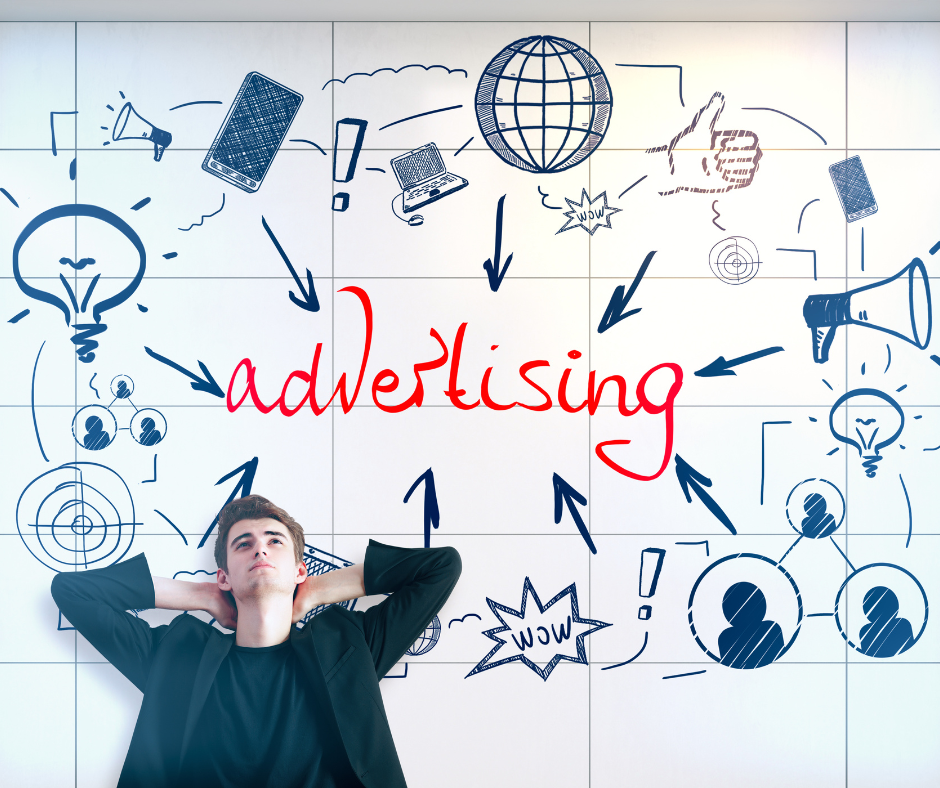
Why has the effectiveness of advertising decreased?
This question is no longer academic. It is urgent. It is expensive. And it is reshaping the future of every brand, creator, startup, and enterprise trying to be seen in a world drowning in messages.
Advertising did not suddenly stop working. It slowly lost its grip while most businesses kept shouting louder, spending more, and expecting yesterday’s tactics to win today’s attention. The result is frustration, wasted budgets, declining trust, and audiences who scroll past without feeling anything.
This is not a crisis of creativity alone. It is a crisis of relevance, timing, trust, and human connection.
Let us break it down clearly and honestly.
The world is oversaturated and attention is exhausted
People today are exposed to thousands of promotional messages every single day. From the moment they wake up to the moment they sleep, brands interrupt them on phones, laptops, billboards, emails, apps, and social feeds.
The human brain was never designed to process this volume of persuasion.
So it adapted.
People developed mental filters. They skip ads automatically. They scroll faster. They mute. They block. They ignore. Not because they hate brands, but because they are protecting their attention.
When everything is advertising, nothing feels important.
Urgency dies in noise.
Consumers trust people, not polished promises
Advertising used to be the loudest voice in the room. Now it is the most doubted.
Audiences have learned that perfect visuals, big claims, and scripted slogans often hide mediocrity. They have seen too many exaggerated promises and disappointing experiences.
Today, trust is built through proof, not polish.
People believe reviews more than campaigns. They trust creators more than corporations. They listen to real stories more than taglines.
If advertising feels manipulative instead of helpful, it gets rejected instantly.
Algorithms changed the rules and brands failed to evolve
Digital platforms no longer reward who pays the most. They reward what people engage with.
If an ad does not spark interest, conversation, or emotional response, it is buried. If content does not feel native, human, and valuable, it disappears.
Many brands still create advertising for boards and banners, then force it into feeds where authenticity wins.
The algorithm is not the enemy. Irrelevance is.
Audiences are no longer passive receivers
Modern consumers do not want to be sold to. They want to be involved, understood, and respected.
They ask questions. They compare. They research. They expect transparency. They expect brands to stand for something beyond profit.
Advertising that talks at people instead of with them feels outdated.
If your message does not answer a real question, solve a real problem, or reflect a real emotion, it is invisible.
Short attention spans are a symptom, not the cause
People often say attention spans are shrinking. The truth is harsher.
Attention has become selective.
Audiences will binge long content if it matters to them. They will watch, read, and engage deeply when something resonates.
Advertising fails not because people cannot focus, but because it gives them no reason to.
The emotional gap is killing impact
The most effective advertising in history made people feel something. Hope. Fear. Belonging. Aspiration. Relief.
Today, much advertising is technically perfect but emotionally empty.
It lists features instead of meaning. It promotes discounts instead of transformation. It talks about products instead of people.
When emotion disappears, memorability disappears with it.
And when nothing is remembered, nothing converts.
So what must change now
This is the turning point.
Advertising does not need to be louder. It needs to be smarter, braver, and more human.
Brands must stop interrupting and start contributing.
They must shift from persuasion to presence.
From exposure to experience.
From selling to serving.
Advertising must answer real questions, reflect real struggles, and offer real value before asking for anything in return.
The future belongs to brands that educate, empathize, and earn attention instead of buying it blindly.
Those who adapt will build loyalty.
Those who resist will fade quietly.
The uncomfortable truth
Advertising is not less effective because people hate it.
Advertising is less effective because people have evolved.
The question is not why advertising stopped working.
The real question is who is brave enough to change how it works.
And that decision cannot wait.
Related Posts

Social Media Strategies for Creative Studios: It’s Time to Stop Posting and Start Performing
Why Most Creative Studios Fail to Leverage Social Media Effectively…

Emotions, Engagement & the Power of Connection
It’s Time to Rethink How We Lead, Communicate, and Connect…

Transforming a Studio Space into a Multi-Purpose Creative Hub: A Bold Guide to Unlocking Your Full Potential
In today’s fast-paced world, space is no longer just space…